9 days to MLB Opening Night
24 days to Masters Tournament
29 days to NBA Playoffs
33 days to Stanley Cup Playoffs

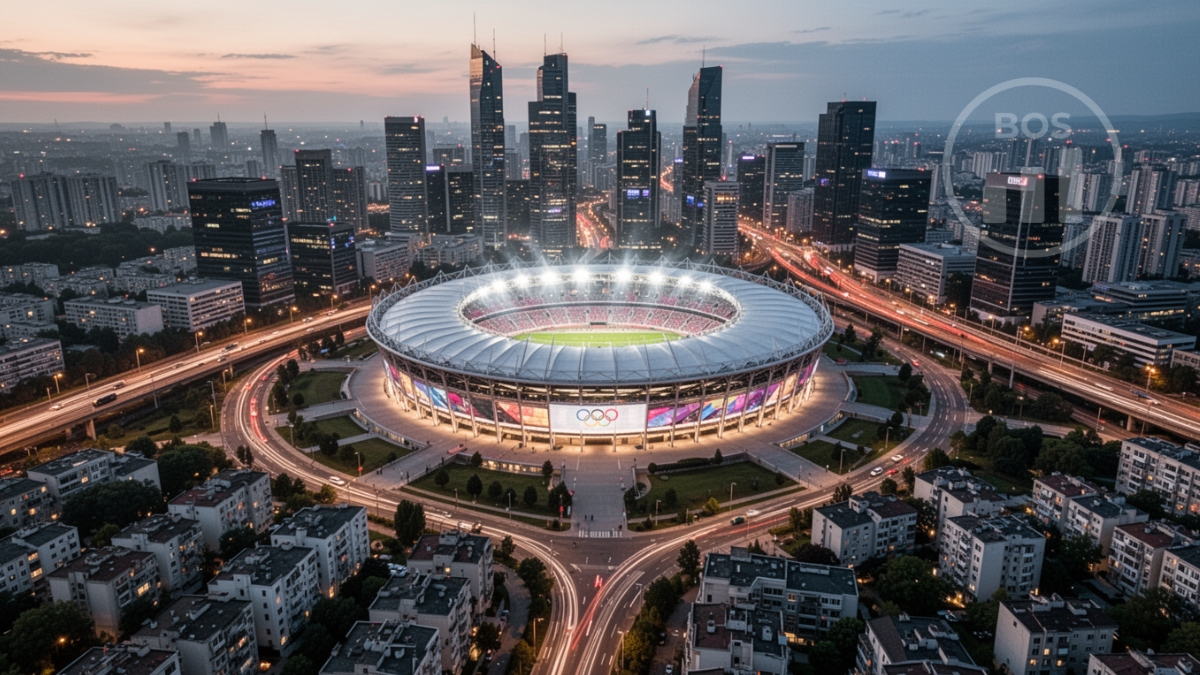
Are Mega Events Becoming Financially Sensible?
The Olympic Model Is Being Rewritten
For decades, hosting the Olympics followed a familiar script.
Cities fought fiercely to win the Games. Bid committees promised economic booms. Massive infrastructure plans rolled out. And after the closing ceremony, many host governments were left explaining why the bill ran so far beyond expectations.
That playbook produced iconic moments. It also produced a lot of political headaches.
Now something quieter is happening behind the scenes.
The International Olympic Committee is redesigning how the Olympics find host cities. The shift is subtle but significant. Instead of forcing cities into expensive bidding wars, the IOC has begun forming longer term partnerships with selected hosts and placing tighter controls on costs.
The goal is clear. Reduce risk. Rebuild public trust. And make hosting the Games financially workable again.
But the implications go far beyond the Olympics.
Every major global sports event is watching closely.
From the FIFA World Cup to continental tournaments and global championships, the economics of mega events have been under pressure for years. Public backlash against stadium spending, infrastructure overruns, and questionable economic returns has forced organizers to rethink the model.
The Olympics may be leading the next phase.
The real question is whether this new system truly fixes the economics or simply repackages them politically.
Why The Olympic Bid System Had To Change
To understand the shift, you have to look at what happened to Olympic bidding over the past decade.
For years the process resembled an arms race. Cities promised bigger stadiums, larger athlete villages, and ambitious urban development projects in order to impress the IOC.
The result was predictable.
Budgets ballooned.
Public skepticism grew.
Several cities began walking away entirely. Referendums killed bids in multiple countries as voters rejected the financial uncertainty that came with hosting.
By the late 2010s, the IOC faced a serious problem. Fewer cities were willing to compete for the Games.
So the organization changed course.
Rather than staging competitive bidding battles, the IOC now works directly with potential hosts through a collaborative selection process. In some cases the IOC identifies preferred partners years in advance and negotiates hosting frameworks with them.
Recent Olympic cycles illustrate the strategy clearly.
2024 Summer Olympics in Paris were structured around existing venues and infrastructure.
2028 Summer Olympics in Los Angeles relies heavily on privately financed stadiums and facilities already in place.
2032 Summer Olympics in Brisbane was awarded through an early partnership agreement rather than a traditional competitive bid.
Each decision reflects the same message.
The Olympics are moving toward sustainability over spectacle.
Hosting As A Public-Private Capital Experiment
At its core, hosting a mega sporting event has always been a capital experiment.
Governments supply infrastructure, public services, and land use support. Private entities contribute stadium investments, sponsorship, broadcasting revenue, and tourism activity.
The balance between those two sides determines whether the event becomes an economic success story or a financial cautionary tale.
Historically that balance tilted heavily toward public risk.
Cities financed massive construction projects in hopes of future economic gains. Those gains were often hard to measure and even harder to sustain.
The revised Olympic strategy attempts to rebalance that equation.
Instead of encouraging cities to build new facilities from scratch, the IOC now emphasizes three principles.
- Reuse existing venues.
- Spread events across regions when necessary.
- Limit new infrastructure to projects that serve long term community needs.
This framework effectively transforms the Olympics from a construction boom into a logistics and operations challenge.
And that is a very different economic profile.
The biggest costs shift away from building stadiums and toward organizing an event ecosystem that can function efficiently inside existing infrastructure.
For cities that already have sports venues, tourism capacity, and transportation systems, the financial risk declines dramatically.
Why Other Mega Events Are Watching Closely
The Olympic shift is happening at the same time other global sports properties are facing similar scrutiny.
The FIFA has already moved toward multi nation hosting for future World Cups. The 2026 FIFA World Cup will be staged across the United States, Canada, and Mexico.
Spreading matches across multiple countries reduces the pressure on any single host government to build massive infrastructure quickly.
Continental tournaments have explored similar strategies.
Regional co-hosting arrangements are becoming more common because they distribute costs while still delivering global scale.
The underlying logic mirrors what the IOC is trying to accomplish.
Mega events still attract enormous audiences. They generate billions in media rights and sponsorship revenue. They remain powerful tools for tourism and international branding.
But the financial model has to work politically.
Taxpayers increasingly want to know what they receive in return.
What Makes The New Hosting Model Work
For executives, investors, and policymakers watching the sports economy, the Olympic shift reveals a few practical lessons about event hosting strategy.
Use Existing Infrastructure First
The single biggest financial risk in mega events is new construction.
Modern stadiums can cost billions of dollars. Athlete villages, transit upgrades, and supporting infrastructure can multiply that number quickly.
Cities that rely primarily on existing venues dramatically reduce financial exposure.
Los Angeles offers a clear example. The city already possesses world class stadiums including venues built for professional teams and major college programs.
The Olympic organizing committee can focus resources on event delivery rather than building from the ground up.
Align Public And Private Incentives
Successful host models align the interests of governments, investors, and sports organizations.
Private venue operators benefit from global exposure. Tourism industries gain international visibility. Local governments see infrastructure improvements that serve residents long after the Games.
When those incentives align, the financial case becomes easier to defend politically.
Design For Long Term Use
Facilities built solely for a two week event rarely justify their cost.
Modern host planning emphasizes legacy usage. Venues must support local teams, concerts, community events, or regional sports development after the Games conclude.
The objective is simple.
Every major investment should remain economically active for decades.
Build Regional Event Ecosystems
Another emerging strategy involves spreading events across wider geographic areas.
Regional hosting allows multiple cities to contribute existing venues while sharing costs. It also spreads tourism benefits across a larger economic footprint.
This model mirrors how professional sports leagues manage large scale events like championships and international tours.
The Political Reality Behind Mega Events
Even with improved financial discipline, mega events will always carry political risk.
Public spending on sports infrastructure often becomes symbolic of larger debates around government priorities.
Housing shortages, transportation needs, and social services frequently compete with stadium investments in public budgets.
That tension will never disappear entirely.
What the IOC is attempting to do is reduce the scale of the controversy.
By lowering construction costs and selecting cities with existing infrastructure, the organization can argue that hosting the Olympics becomes a manageable civic project rather than a massive financial gamble.
Whether that argument holds depends on how future Games perform.
If upcoming hosts deliver balanced budgets and long term benefits, the new model gains credibility.
If costs climb again, skepticism will return quickly.
Why The Olympics Still Matter Economically
Despite years of criticism, mega events remain incredibly valuable assets within the global sports economy.
Broadcast rights generate billions in revenue.
Corporate sponsors use the platform to activate worldwide marketing campaigns.
Host cities gain unmatched international visibility.
The Olympics still command one of the largest global audiences in sports.
For governments and investors willing to manage the financial structure carefully, hosting can create significant strategic benefits.
Tourism exposure alone can reshape how a city is perceived globally. Infrastructure investments tied to the Games often accelerate projects that would otherwise take decades.
In that sense the Olympics function less like a single event and more like a concentrated economic catalyst.
But catalysts only work if the underlying conditions are stable.
That is precisely what the IOC is trying to engineer.
The Future Of Mega Event Economics
The Olympic hosting model is not disappearing.
It is evolving.
Instead of dramatic one time construction booms, future Games will likely emphasize existing infrastructure, regional collaboration, and long term partnerships between sports organizations and host governments.
If successful, the model could reset how the global sports industry thinks about large scale events.
The Olympics may become the prototype for a new generation of financially disciplined mega events.
And if that happens, other properties will follow.
The business of hosting sports is entering a new phase.
The Bottom Line For The Sports Industry
The changes underway at the International Olympic Committee signal a broader shift in how the sports economy approaches global events.
Hosting is no longer simply about spectacle.
It is about financial structure, political sustainability, and long term capital strategy.
Cities, leagues, investors, and event organizers are all learning the same lesson.
Mega events work best when they operate inside existing economic systems rather than trying to rebuild them from scratch.
The next decade will reveal whether this recalibration succeeds.
If it does, the Olympics could once again become one of the most attractive partnerships in global sports business.
Want more insights like this on the business forces shaping global sports?
Join the conversation and explore more analysis at Back Office Sports.