Subscribe to The Back Office Brief
23 days to PGA Championship
34 days to French Open (Roland Garros)
34 days to French Open (Roland Garros)

Franchise valuations, investor strategy, revenue systems, and the financial architecture powering modern sports
Inside Sports Finance
The business of sports ultimately runs on capital. Behind every franchise acquisition, stadium development, player contract, and league expansion decision sits a complex financial structure shaping how organizations compete and grow. Back Office Sports covers sports finance by examining franchise valuations, investor activity, ownership strategy, and the economic systems that govern leagues and teams. From revenue sharing and salary frameworks to private equity involvement and long-term asset value, we break down the financial architecture that powers the global sports industry.

Will Tennis Players Become Sports Shareholders?
Top tennis players want more than prize money. Through the Professional Tennis Players Association they are pushing for revenue sharing and governance power. If athletes start acting like shareholders rather than labor, the economics of sports may shift across leagues and college athletics.

The financial controls shaping European soccer may be setting a precedent for the entire sports industry. As Financial Fair Play evolves into a governance framework, leagues and regulators are studying how transparency, spending controls, and ownership oversight could reshape global sports economics.

Private equity is reshaping franchise ownership across Major League Baseball and beyond. Minority stakes, media carve outs, and stadium real estate are transforming teams into diversified operating companies whose value now extends far beyond the field.

Regional sports networks once guaranteed steady local media revenue for pro teams. That foundation is shifting. As the NBA tests new distribution models, MLB and the NHL face similar pressure. The real question now is how team valuations change when the certainty behind local rights deals begins to fade.
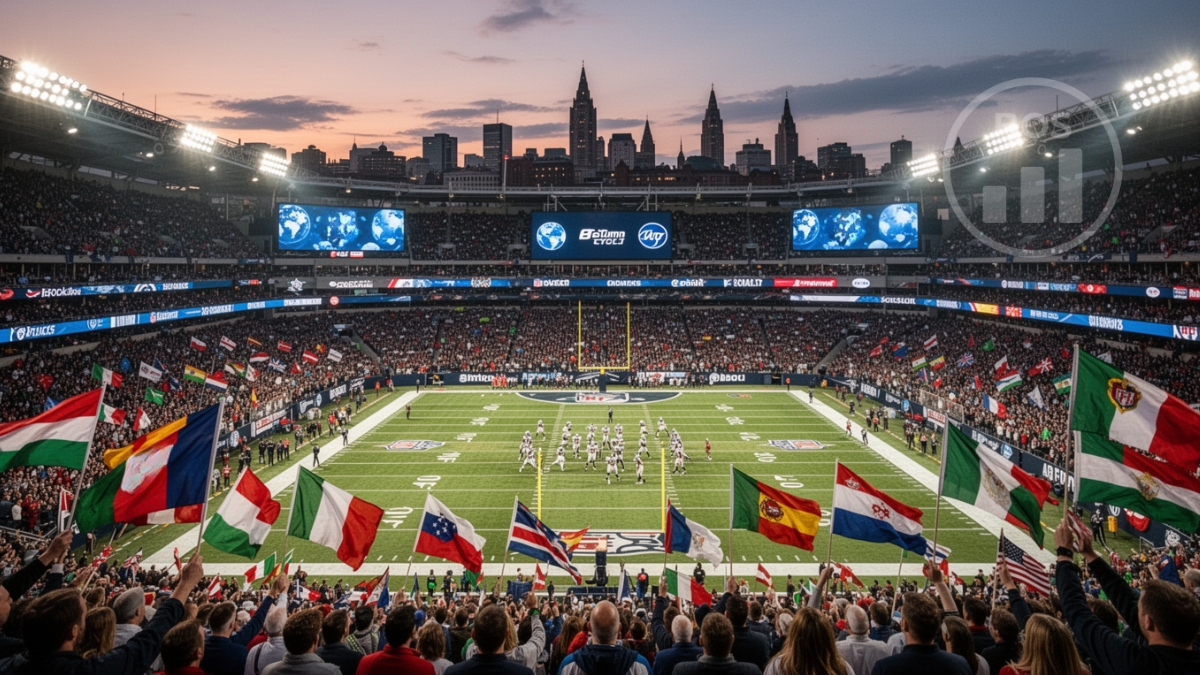
International games are turning into a strategic revenue hedge for the NFL. As global media rights sponsorships and sovereign partnerships expand, the model raises a larger question for sports leaders. Is geographic expansion now a portfolio strategy for league value?

The International Olympic Committee is quietly changing how the Olympics are hosted by pushing long-term partnerships and tighter cost controls. The shift reflects wider pressure facing mega events like the FIFA World Cup as governments and investors rethink how sports hosting works as a public-private capital experiment.

Climate risk has become a material financial variable for sports. From event disruption to asset valuation and insurance pricing the economics of sports now demand climate aware forecasting and ESG driven resilience planning.

The Premier League's new DTC platform marks a strategic pivot away from pure licensing toward direct fan monetization. This move reshapes media rights economics, pressures global distributors, and previews how elite leagues may control pricing, data, and revenue at scale.

FanDuel and CME Group have launched an event trading platform that allows consumers to trade sports and macro outcomes. The move blurs derivatives and consumer markets, signaling a structural shift in risk transfer and positioning sports as an emerging asset class.

Premier League ownership groups are assembling global club portfolios that share data, scouting, and commercial infrastructure. The strategy is spreading across sports. Is multi club ownership about operational edge or financial engineering in fragmented markets?

The clash between the PGA Tour and LIV Golf signals something larger than a golf rivalry. Sovereign wealth funds are entering sports across the globe, changing leverage, economics, and competitive balance. Leaders across sports now face a new question about power and capital.

Team values are surging across global sports and arena costs continue to climb. That creates pressure on smaller markets in the NHL and beyond. The big question now is whether revenue sharing can protect competitive balance or whether capital concentration will reshape the future of sports ownership.

From Judge's massive Yankees deal to Soto's record-breaking Mets contract, we explore what it costs teams to keep baseball's most enthralling talents. Add Ohtani's unique Dodgers pact, Skubal's historic arbitration fight, Kurtz's rookie rise and Skenes' future promise.

Owning a Minor League Baseball team starts with understanding how MiLB actually works. From Player Development Licenses and franchise valuations to funding realities and long-term returns, this guide breaks down what prospective owners need to know before stepping into professional baseball ownership.

Major League Baseball teams rely on minor league affiliates to develop talent - but they don't always own them. This breakdown explains who owns MiLB teams, why some MLB clubs choose ownership, why others don't, and how each approach shapes player development, finances, and long-term strategy.

Major League Baseball franchises are worth more than ever, but value doesn't always equal profit. Here's a team-by-team look at MLB valuations, revenue, debt, and operating income - and what the numbers reveal about how baseball really makes money.

From billion-dollar hedge funds to legacy family ownership, MLB teams are run very differently behind the scenes. Here's who owns every club, how much they paid, and why private vs. public ownership shapes spending, strategy, and stability across baseball.

Stadium renovations spark big claims, loud debates, and tangled dollar signs. Here's a clear look at how teams structure funding, how they pitch public backing, who comes out ahead, and what cities actually receive. A grounded guide to one of sports' most misunderstood business stories.
Focused coverage of the business of sports
The Back Office Brief
A sports business newsletter featuring timely analysis, practical context, and original stories that explain how teams, leagues, and sports organizations make decisions across the industry.