Subscribe to The Back Office Brief
23 days to PGA Championship
34 days to French Open (Roland Garros)
34 days to French Open (Roland Garros)
Host city economics, media rights, sponsorship strategy, and governance shaping the world's biggest sporting event
Inside the Business of the Olympics
The Olympic Games are more than a global sporting spectacle. Behind every opening ceremony sits a complex network of financial agreements, infrastructure planning, international governance, and media negotiations. Back Office Sports examines the business of the Olympics by covering how host cities, the International Olympic Committee, global sponsors, and broadcast partners structure the world's largest sporting event. From bid strategy and venue investment to media rights and long-term economic impact, we break down the decisions that shape the Olympic movement and its place in the global sports economy.
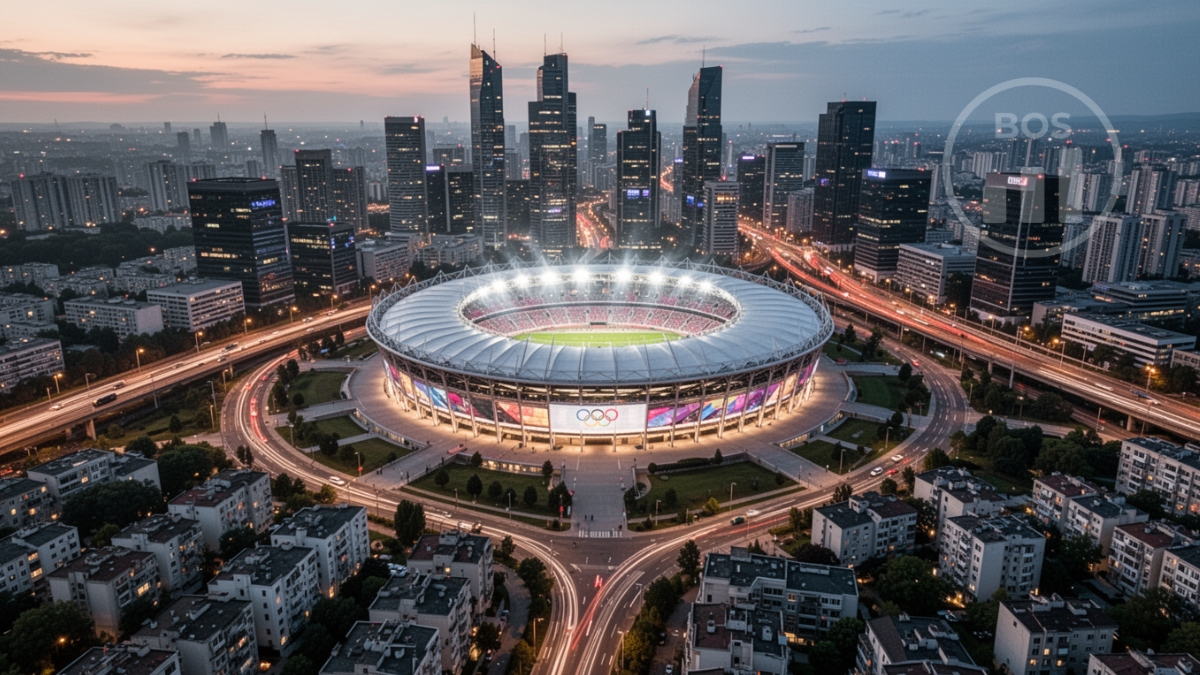
Are Mega Events Becoming Financially Sensible?
The International Olympic Committee is quietly changing how the Olympics are hosted by pushing long-term partnerships and tighter cost controls. The shift reflects wider pressure facing mega events like the FIFA World Cup as governments and investors rethink how sports hosting works as a public-private capital experiment.

FanDuel and CME Group have launched an event trading platform that allows consumers to trade sports and macro outcomes. The move blurs derivatives and consumer markets, signaling a structural shift in risk transfer and positioning sports as an emerging asset class.
Focused coverage of the business of sports
The Back Office Brief
A sports business newsletter featuring timely analysis, practical context, and original stories that explain how teams, leagues, and sports organizations make decisions across the industry.